
Readiness
We observe interest, attention and the child's relationship with music.
Ages 6 and up
We balance curiosity, play and regular practice so that a child's first steps with music feel encouraging and secure.
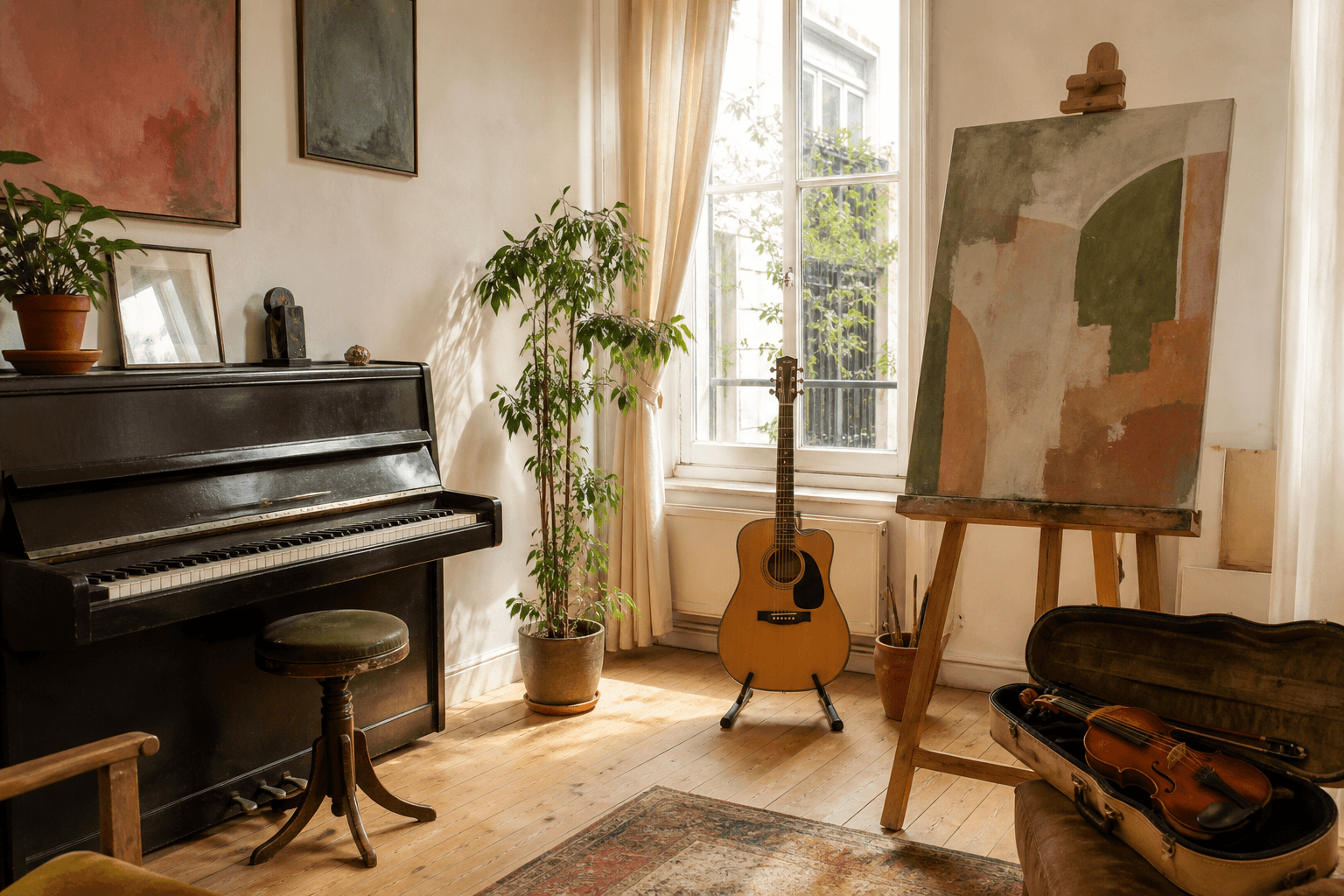
01
The first goal of piano education is not long pieces. It is learning to recognise sounds, feel rhythm and form a confident connection with the instrument. Activities are divided into small, achievable steps that suit a child's attention span.
Individual teaching lets the instructor respond to how each child learns best, balancing notes, rhythm and technique with short musical tasks.
02
Early lessons introduce the keyboard, basic rhythms, right- and left-hand awareness and simple note reading. These skills are reinforced through age-appropriate pieces and musical games.
03
Short, regular practice is more helpful than long, tiring repetition. Families support the setting and routine; they do not need to reteach the lesson. Progress also includes returning to the instrument willingly, following rhythm and gradually sustaining focus.
Lesson Process
Rather than following one fixed formula, each programme follows three core stages and evolves with the student.
We observe interest, attention and the child's relationship with music.
Each lesson has visible, achievable next steps.
We support home practice with short, age-appropriate repetition.
Frequently Asked Questions
Lessons at our studio begin from age 6; attention span, ability to follow directions and interest also matter.
Regular access to a piano or a suitable digital piano supports steady progress. We can discuss practical options at the first meeting.
Yes. Note and rhythm awareness are taught naturally from the beginning.
The instructor may give families a short update, while the main lesson time is reserved for the student and teacher.
Let’s connect